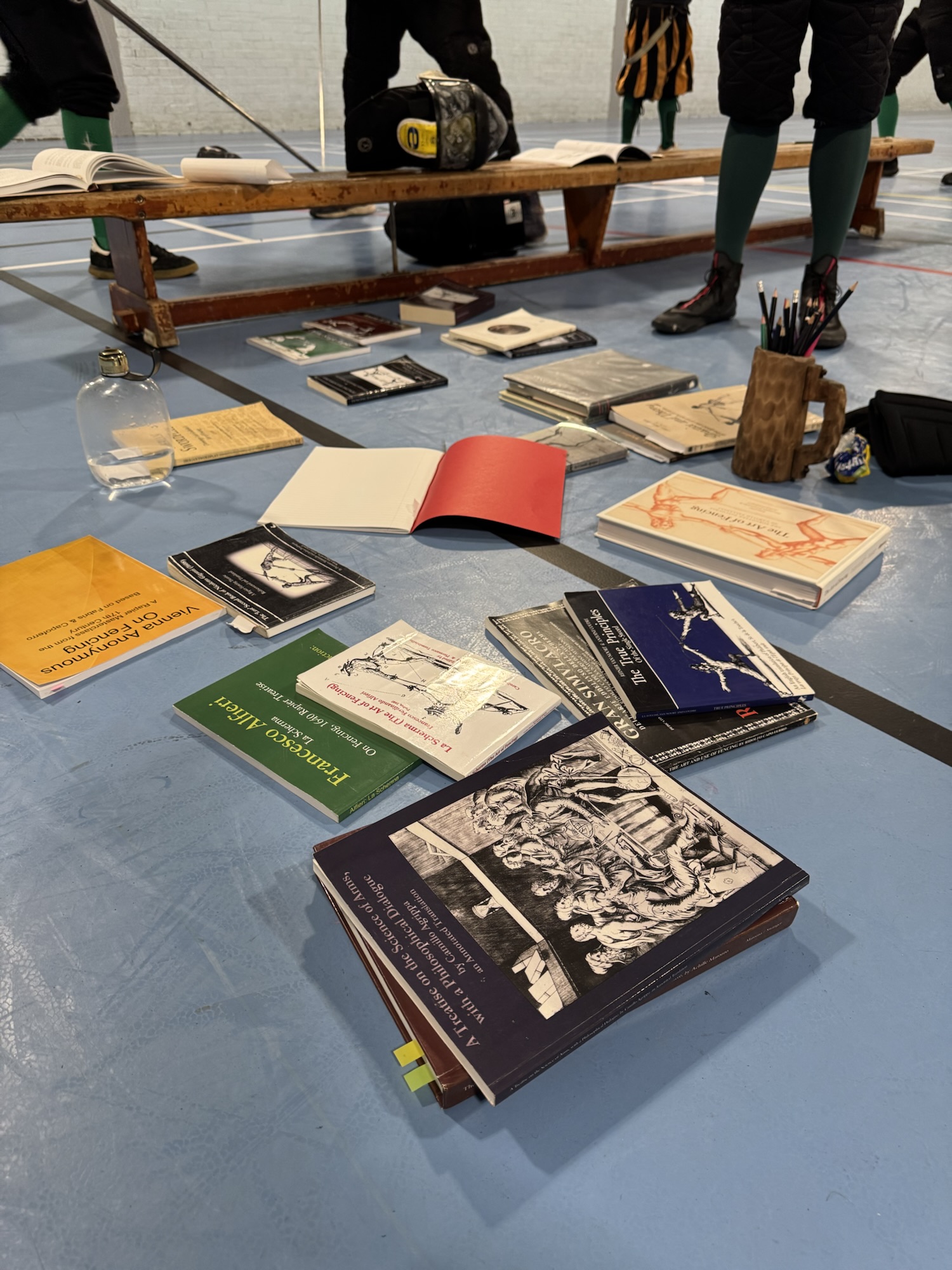
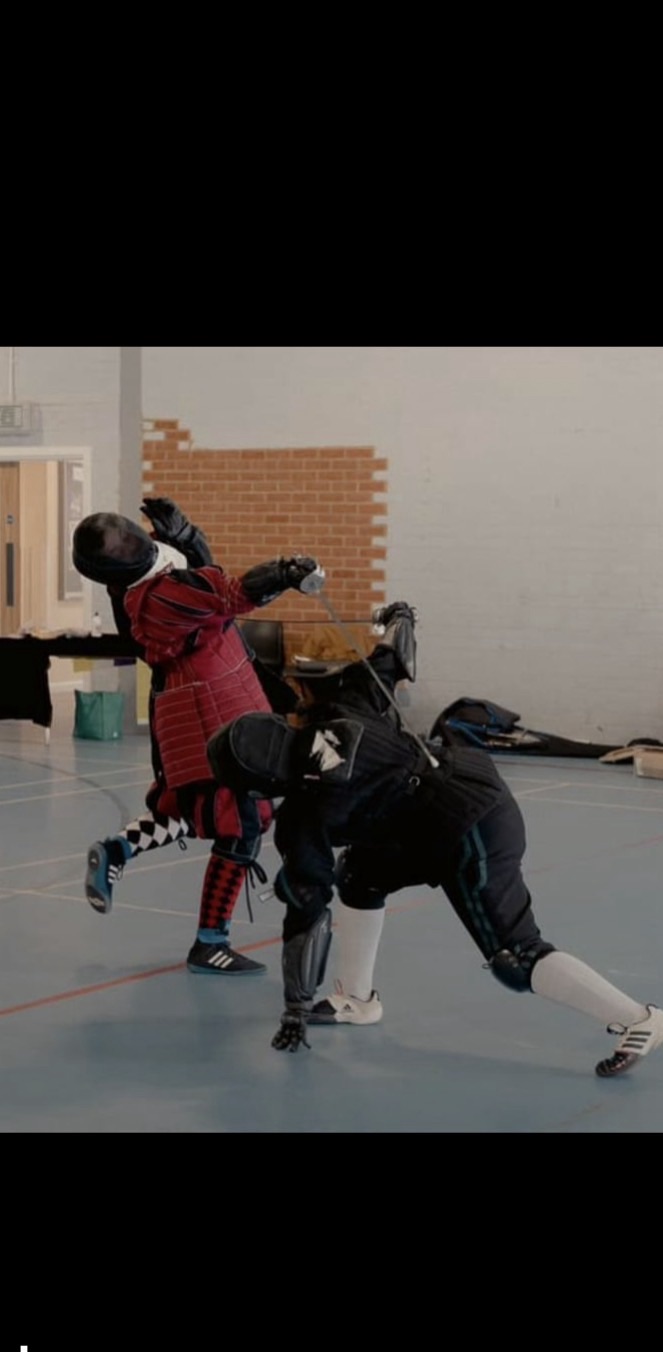
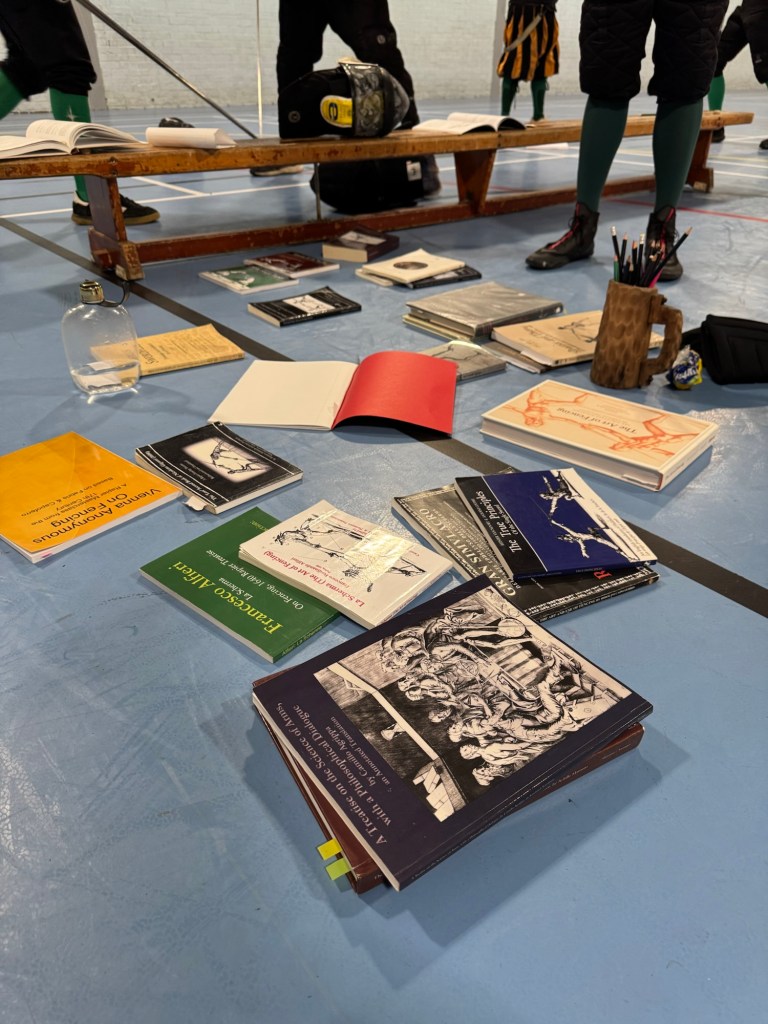
If you’re winning tournaments by virtue of being tall and strong, experienced in other martial arts, or having good timing, congratulations. Eventually someone with all those virtues will come along who has also read a book and put its teachings into practice, successfully. If you are happy to cede your crown to a worthy opponent keep not doing what you’re not doing, otherwise, pick up a book.
You aren’t practicing enough. It’s not because you aren’t motivated or disciplined, it’s because you don’t realise that the levelling up happens while you are doing repetitions. It’s your job to find a method that is fun for your brain. Consistency beats motivation. Play.
And on that note – you aren’t taking responsibility for your own learning. You won’t develop by going to class once a week and doing sparring once a month. The real development happens when you take charge of your study and practice. Find an area to develop, research it, set up a regular routine outside of class time, even if it’s just five minutes a day. Enjoy it.
You don’t know the basics. Footwork, distance, strikes and timing are not one and done achievements – they require continuous maintenance. Fundamentals are what make great martial artists great; not vast knowledge, not fancy techniques, not taking tons of workshops and classes. It’s practicing footwork and cuts, alone or with a training partner. It’s learning what the technical terms actually mean by applying yourself to them, failing a lot, and getting up again. Top up regularly.
Pick up a book before you sign up for a tournament. HEMA is the study and research of historical fighting, the testing comes once you’ve gained competence and understanding. Your disappointment at losing a match will be less of a mystery and easier to course correct if you know where you went wrong. Be curious about the sources.
You can’t tough it out. As much as fencing is a 1v1 activity, you can’t overcome your issues alone. Growth comes in community, through dialogue, through shared experiences, through honest assessment. Speak to your peers and coaches, even someone with less experience has something to teach you. Stay humble.
You will get worse before you get better, and that’s normal. Once you’re past the beginner period and you start to gain competence in sparring, you will see improvement. But then you will start to realise how much there is to learn, compare yourself to others, get in your own head, and find yourself on the dreaded plateau. This is not a sign to quit, this is a sign to dig deeper, reach out to friends, work on your self control, and find your true North.
You’re not having enough fun. That doesn’t mean don’t take what you do seriously, it means you’re treating training like a punishment, and practice like a penance. This isn’t school, this is something you chose to do for fun. Enjoy what you do: laugh at your errors, find the thrill in the challenges, embrace gratitude as your body moves in space and learns new skills.
Thank you for reading. This article was created by a human without the use of AI. If you like my work, please consider supporting me by buying me a coffee or purchasing a product from my kofi shop to help you with your HEMA training, or subscribing to my Patreon.
👻 Are you terrified of the texts? Do they fill you with despair and horror? Well don’t fear, I’m going to give you some top tricks to take away the terror and treat yourself to some inside knowledge.
🪶 Fight books are written in a different time, and in a different language. In order to reach you and be understood they need to go through several processes first.
The lens of translation 🔍
🗣️ The translator or transcriber will have their own bias and understanding of the language and context. They will have included (or not) all the things they consider to be important.
🧑🏫 If you are learning all your historical fencing from a teacher you are viewing it through their understanding and experience. There’s nothing wrong with this, instructors are doing an amazing job bringing HEMA to new audiences.
📕 However to gain a deeper understanding of what you are training, it helps to look at the sources yourself, to see how you understand and interpret their meaning. Again this will all be viewed through the lens of your own experience and understanding.
🤿 Diving into the texts
🍒 You can cherry pick what you want to look at. Don’t feel you need to have fully read and understood an entire manual cover to cover in order to gain insights. Interpretation can be hard work, so don’t be afraid or ashamed to pick a weapon or style or technique that you want to home in on. Simply taking a single phrase or action can take you down a whole rabbit warren of investigation, experimentation and study.
🚁 You can also take the helicopter view of a book. Read the chapter headings to see what’s covered; flick through the images to see what’s repeated, and what changes; scan a page to see what words come up a lot, and what is conspicuously absent. This will give you an idea of what the author considers to be important, and what is implicit.
🔬 You can compare what several masters say on a topic, and what they don’t say. This can give a contextual view for a period, or how something changes over time.